


China travel tips
you can trust

Why
Jiuzhaigou
is special
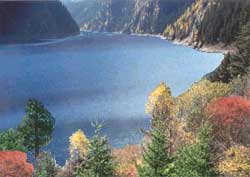
The remote Jiuzhaigou is a stunningly beautiful mountain valley. If a place on earth would deserve to be on the vacation list of a heavenly being, Jiuzhaigou would surely be one of them.
Jiuzhaigou
tips and insights
 How to pronounce
Jiuzhaigou: jiew-jai-gow'oh
Top tourism allures
Top reasons why travelers come to Jiuzhaigou are (alphabetical):
 Clear blue lakes, emerald pools and cascading waterfalls
Idyllic valley setting surrounded by majestic snow capped peaks
Rich Tibetan culture
Fresh mountain air and unpolluted skies
Hiking and horseback riding through dense, green virgin forests
Photo opportunities
Relaxing and unwinding
A bonus for going to Jiuzhaigou is your vehicle passes through breathtaking scenery on the way.
Best times to come
The fall foliage period in October is the prime time to visit Jiuzhaigou. The landscape is ablaze with bright red, yellow and orange leaves. From May to September, temperatures are refreshingly mild. In January and February, Jiuzhaigou becomes a winter wonderland.
 for next Jiuzhaigou page
Wonders of China - Top 10 rankings
China Wonder location map
Chinese cuisine guide
Basic Chinese phrases with pronunciations


World's Top 100 Wonders
World's Top 1000 Wonders
Site map
My credentials
About my website and criteria
Reader testimonials