


Forbidden City
Travel tips you can trust

Why the
Forbidden City
in Beijing is special
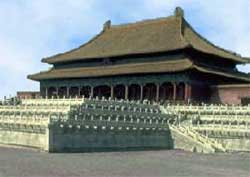
For nearly 500 years (1420-1911), twenty-four emperors of the Ming and Qing Dynasties ruled China from inside the Forbidden City. It has lavishly decorated ceremonial halls and royal palaces that were built to impress the eye.
Forbidden City
tips and insights
 Emperors
The emperors who lived within the massive walls seldom ventured outside.
Palace intrigue
It was rampant. So were internal political power struggles.
Names
The compound has three appellations:
 Public Museum
New official name
Imperial City
Old official name
Forbidden City
The nickname, which most travelers use today
Meaning of
"Forbidden City"
The complex gained its ominous sounding sobriquet because entry was once strictly prohibited without royal authorization. A visit without that sanction would automatically cost your life.
Physical condition
The Forbidden City is in much better condition today than it was on my first visit several decades ago. The government has been making a major effort in renovating the palace, bringing it back to its former architectural grandeur.
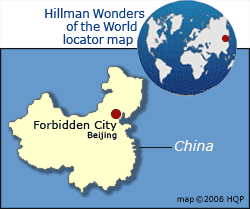
Location in China
Learn More
 for next Forbidden page
Know these China tips and insights
Wonders of China - Top 10 rankings
China Wonder location map
Chinese cuisine guide
Basic Chinese phrases with pronunciations


World's Top 100 Wonders
World's Top 1000 Wonders
Site map
My credentials
About my website and criteria
Reader testimonials