


Nishi & Highasi
Hongan Temples
Travel tips you can trust

Why the
Nishi and Higashi
Hongan Temples are special
The architecture and shared histories of these two temple complexes in Kyoto are fascinating.
History in brief
In 1602, the famous Shogun Tokugawa Ieyasu successfully split a well-established Buddhist body into two parts out of fear of its growing power and wealth. They were named:
 Nishi
("Western") Hongan
Nishi
("Western") Hongan
Highasi
("Eastern") Hongan
Similarities
Both are Buddhist Pure Land sects (with Nishi having the most mass appeal).
Both are the home temples for their respective sects.
Each has many millions of followers. However, the Nishi has more than twice as many. It's also more tightly organized and has a greater global presence.
Both are situated in the same section of Kyoto, just several blocks apart.
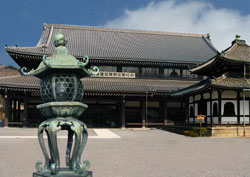
Each has an imposing Main Hall, Amida Hall, and Main Gate with superb architectural and decorative elements. Both also have celebrated statues.
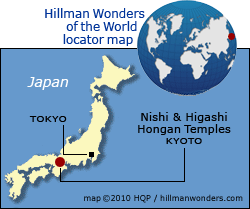
 Location in Japan
Know these
Japan tips and insights
Japan wonders - Top 10 rankingsBasic Japanese phrases
Japanese cuisine


World's Top 100 Wonders
World's Top 1000 Wonders
Site map
My credentials
About my website and criteria
Reader testimonials