


Potala Palace
Travel tips you can trust

Why the
Potala Palace
in China is special
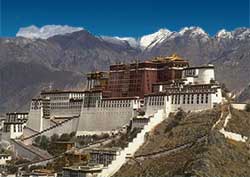
This massive palace (now a museum) in Lhasa, Tibet was once the winter religious and political seat of Tibet under the leadership of the Dalai Lama.
Potala Palace
tips and insights
 Pronunciation
The name Potala is pronounced: poh-TAH-lah
Spiritual ambiance
The Potala Palace's interior is today filled with the same sounds (chanting) and scents (incense and yak-butter burning lamps) that visitors encountered centuries ago.
Once the world's tallest
The Potala Palace was the world's tallest occupied building from 1653 to 1889.
Stairs only
The 13-story Potala Palace has no elevator. There are three sets of stairways, which are steep and ladder type. Only the Dalai Lama was allowed to use the middle one.
Great views
The views from the Potala Palace's roof and balconies are spectacular. Below lies Lhasa city and, beyond, the valley countryside and distant snow-capped Himalayan mountains.
Altitude
The Potala Palace is 3,700 meters (12,000 feet) above sea level. Therefore, it is advisable to rest during your first day in Tibet to acclimate yourself to the thin air before exploring the Potala Palace.
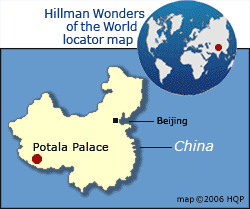
Location in China
Learn More
 for next Potala Palace page
Know these China tips and insights
Wonders of China - Top 10 rankings
China Wonder location map
Chinese cuisine guide
Basic Chinese phrases with pronunciations


World's Top 100 Wonders
World's Top 1000 Wonders
Site map
My credentials
About my website and criteria
Reader testimonials