


Grand Tetons
page 2
More
Grand Tetons
tips and insights
 Wildlife
The park is known for more than just its mountains. It's rich in wildlife, including moose, elk, and both black and grizzly bears. Recreational activities include hiking, camping, bird watching, horseback riding, bicycling, boating, rafting, skiing and picture taking.
Origin
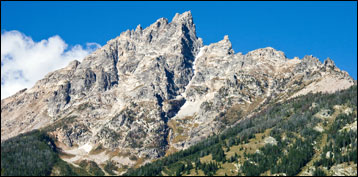
The Grand Tetons began forming 13 millions years ago when the earth's crust separated along a north-south geologic fault line. The western land mass rose, creating the 65-kilometer (40-mile) long Grand Tetons mountain range. The eastern side sank, creating Jackson Hole Valley.
Fault line
It is still active. The mountains will continue to slowly rise and Jackson Hole Valley (currently about 2100 meters or 6800 feet high) will keep sinking.
Visitor
count and location
Grand Teton National Park attracts 3 million visitors per year. It lies just minutes south of Yellowstone, a Hillman Wonder Gold Medal winner.
Learn More
 for Grand Teton tips - Page 1
Learn my other
America tips & insights
America Wonders - Complete list
America wonder map
Top 10 Famous American foods
Photo by Acroterion - CC BY-SA 3.0


World's Top 100 Wonders
World's Top 1000 Wonders
Site map
My credentials
About my website and criteria
Reader testimonials