


Travel tips you can trust

Why the
Avignon Historic Center
is special
It is home to several major historical structures (including the Papal Palace) and a major international cultural festival.
 Also known as
The Papal Palace is also called the Palace of the Popes. The first is now the official English name.
Creation
It was constructed in the 14th century after Pope Clement V moved the papal seat from Rome to Avignon. Eventually, the papal command center returned to Rome.
Building style
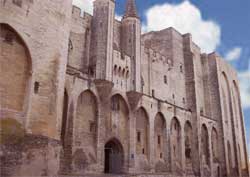
Though this Gothic edifice is called a palace, it has the look and feel of a fortified citadel (see photo). The papacy had its enemies.
Misfortunes
Nearly all the furnishings were plundered or destroyed long ago. Except for frescoes and some items, there isn't much left inside to excite the eye. However, the exterior certainly does.
The Papal Palace faces a large square that is shared by other interesting buildings.
The Notre Dame des Doms cathedral is the top must-see.
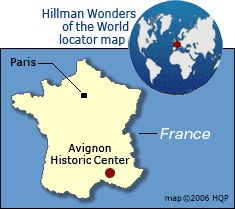
Location in France
 for Avignon Historic Center - Page 2
Wonders of France - Complete list
France wonder map
Best time to visit Paris
Basic French phrases
French cuisine


World's Top 100 Wonders
World's Top 1000 Wonders
Site map
My credentials
About my website and criteria
Reader testimonials