


Travel tips you can trust

Why the
Dry Valleys
of Antarctica
are special
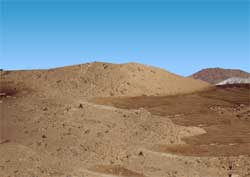
They are one of the driest places on earth. Rainfall has been extremely rare during the past two million years.
 NASA
NASA
When NASA noticed a similarity between the ultra dry landscapes of Mars and the Dry Valleys, it decided to conduct research in these desolate Antarctica valleys in preparation for its Viking missions to Mars.
Iceland ground
This 4,000 square kilometer (1600 square mile) area is one of the few Antarctica places not covered with ice. The two main reasons:
 Dry atmosphere
One reason is the atmosphere is so dry that it rarely snows. When it does, the snowfall is sparse and evaporates quickly.
Mountains
The second and most important reason is that mountains block the path of glaciers that would otherwise pass over the Dry Valleys. What glacial ice reaches the valleys is skimpy and evaporates within several weeks. If it were not for the mountain barrier, the Dry Valleys would be buried under the ice cap, as is most of Antarctica.
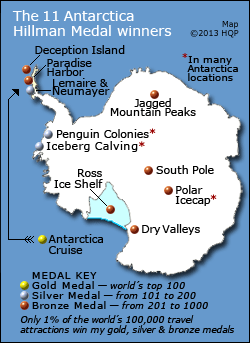
Location in Antarctica
 for next Dry Valleys page
Antarctica cruise
Deception Island
Dry Valleys
Iceberg Calving
Jagged Mountain Peaks
Lemaire & Neumayer Channels
Paradise Harbor
Penguin Colonies
Polar Icecap
Ross Ice Shelf
South Pole


World's Top 100 Wonders
World's Top 1000 Wonders
Site map
My credentials
About my website and criteria
Reader testimonials