

Brazilian Cuisine

MENU

World Cuisine - CLICKABLE MAP
World Cuisine - HOME PAGE


Why Brazilian Cuisine
is special

Brazilian cuisine has distant culinary roots. Recipes are greatly influenced by culinary styles from the continents of Europe and Africa. This produces a fascinating variety of tastes and aromas.


Culinary history
in brief


Portuguese colonists

They settled in Brazil beginning in the early sixteenth century - and found a sparse Indian population.


Indian staples

Fish, land game, jungle fruit, and manioc were the staples of the rather limited, somewhat monotonous Indian diet.


Expanded culinary repertoire

The indigenous cuisine was subsequently broadened by the many newcomers including the conquering Portuguese and the enslaved Africans. This resulted in three major Brazilian culinary styles: Cariocan, Bahian and Paulista (see below).


Cariocan cuisine

Originated in Rio de Janeiro in the mid-south. Though mainly influenced by Portuguese cooking, Cariocan cuisine has developed unique local culinary characteristics. Must-try preparations of this Brazilian Cuisine include:


Feijoda Completa

This is the most famous Brazilian Cuisine dish. It is an assortment of meats such as smoked tongue, jerked and fresh beef, pork, smoked and fresh sausages, and pigs' feet and ears. These foods are arranged on a platter and accompanied by side dishes of black beans, rice, shredded kale, hot chili sauce, and orange slices. Manioc meal (ground cassava root) is then sprinkled over practically everything.


Tutu de Feijoa

A side dish of whole cooked black beans served with pureed black beans. An elaborate variant is Tutu a Meneira (pureed black beans mixed with eggs, pork, and Portuguese-style linguica sausage).


Bahian cuisine

Thrives in the mid-north along the east coast. This Brazilian Cuisine style was highly influenced by the African slaves who were imported to work the plantations. Flavors are robust. Most ingredients are West African in origin or spirit, which is not surprising considering that Bahia resembles West Africa in geography and climate. The classic Bahian dish is:


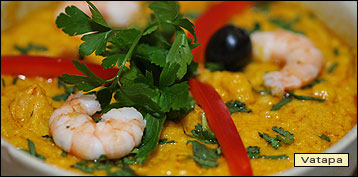
Vatapa de Camarao & Peixe

Fresh shrimp and fish in a thick sauce made with dried shrimp, coconut milk, nuts, and dende (a palm-nut cooking oil).


Paulista Cuisine

From the city of Sao Paulo situated some 200 miles south of Rio.  It is the most subtle and delicate of the three major Brazilian Cuisine styles. Besides owing some of its character to the Portuguese, West Africans and Aborigines, it has been influenced by the Italians, Germans, and other Europeans who settled in Brazil in great numbers. An interesting local specialty is:


Cuscuz Paulista

Cornmeal steamed and molded with meats and vegetables, somewhat like the famous cracked wheat Couscous of North Africa.


Brazilian Cuisine
national characteristics


Sweet tooth

Desserts, and cooking in general, tend to be relatively sweet, a fact indicative of the Iberian heritage.


Beans and rice

Throughout the most populated regions of Brazil, black beans and rice sprinkled with Farinha de Mandioca (manioc meal) are the staff of life.


Also popular

You frequently find these on the dinner table:

Molho de Pimenta e Limao
Lime-spiked hot sauce
Palmitos
Hearts of palm used in salads, soups and main dishes
Fruit pastes
Made from guava, banana, quince, peach, mango or coconut

Beverages


Coffee

Brazilians like to drink it in the form of  small cups of sweet, strong black coffee.  Brazil grows approximately one-third of the world's coffee.


Guarana

This popular soft drink is produced from dried berries, water (or carbonated water), and sugar. Admirers claim it gives them increased energy and endurance.


Yerba Mate

Brazilians, like Paraguayans and Argentineans, adore this herb tea.


Cachaca

A potent, clear sugar-cane brandy that is the traditional accompaniment of Feijoada Completa. Many locals drink it straight or use it in making the renowned Caipirinha and Batida Paulista cocktails.


Test
yourself

How many of these major
world
cuisines do you know well?


   TOP of this page
World Cuisine - HOME PAGE


Explore my
candid country, region
and other travel guides

Click links for tips & insights


©2009 HQP / Hillman Quality Publications