


English cuisine
reputation - bad?
Food tips you can trust
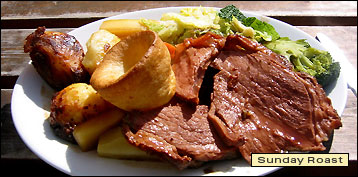
Is English cuisine
as bad as some say?
Reputation:
 Abroad
English food has been the whipping boy for foodies.
In England
Some English citizens rank their cuisine among the world's best.
Well, English cuisine is neither as dreadful as the French think nor as stellar as some English food fans would have us believe.
My impartial
assessment of
English cuisine
To understand today's English cuisine, you need to understand its background.
 Pre-Industrial Revolution
The average English citizen ate laudable home-cooked food until the Industrial Revolution in the early 1800s.
Migration to cities
Over the next two centuries, numerous country folk moved from their farmhouses to the big cities to work in low-paying factories. They soon lost touch with farmhouse cooking and began eating citified dishes that didn't take long or much money to prepare. This resulted in stodgy, bland, overcooked dishes.
Blame
The problem lay not with agriculture and animal husbandry because England is blessed with enviable farmland and pastures that yield excellent vegetables, fruits, meats and dairy products. The culprits were lackluster cooks and undemanding diners.
In recent decades
The overall English cuisine has improved remarkably because a growing number of home and restaurant cooks are becoming more skilled, passionate and creative in the kitchen.
Educated palates
And, the public at large has become more culinarily discerning because of increased foreign travel fostered by low international airfares. Other factors include the Modern British Cuisine movement, the improved food coverage in newspapers and magazines, the advent of the information-rich internet, and the emergence of celebrity chef TV shows.
Room for improvement
Although the good-food revolution in England has made a significant impact, we must recognize and accept that it has yet to be embraced by the majority of English cooks and eaters. I'm confident this will someday change.
Also learn these English
food tips and insights
Ten most famous English foods - # 1 to 7
Ten most famous English foods - # 8 to 10
English cuisine - More insights

Rankings
Peasant recipes
World wonders
Also read
Site map
About me and my credentials
About my website
Reader testimonials
Email me your opinion